The Silent Revolution: How Pisphere is Rewriting the Grid for the World’s Last Mile
The quest for universal energy access is one of the defining challenges of the 21st century. While global efforts have connected billions to the electrical grid, a persistent and profound problem remains: the Last Mile. This term describes the remote, isolated communities—from high-altitude villages and deep jungle settlements to arid desert outposts—where the cost and complexity of extending traditional infrastructure become prohibitive. These are the places where the sun sets on a world still waiting for light, where education, healthcare, and economic opportunity are stunted by the simple absence of reliable power.
For decades, the solution has been a patchwork of diesel generators, which are polluting, expensive to fuel, and require constant maintenance, or conventional renewable sources like solar and wind. While solar panels have brought light to many, they are inherently intermittent, relying on battery storage that is costly, heavy to transport, and environmentally taxing to dispose of. The dream of energy independence for these remote areas—a self-sustaining, reliable, and clean power source—has remained just that: a dream. Until now. Pisphere is not just another green technology; it is a fundamental paradigm shift, a living, breathing power source that harnesses the oldest energy system on Earth: the plant-soil ecosystem. It offers a solution that is not only clean and sustainable but is uniquely suited to thrive in the very environments where traditional power sources fail.
The Unseen Grid: Pisphere’s Core Technology
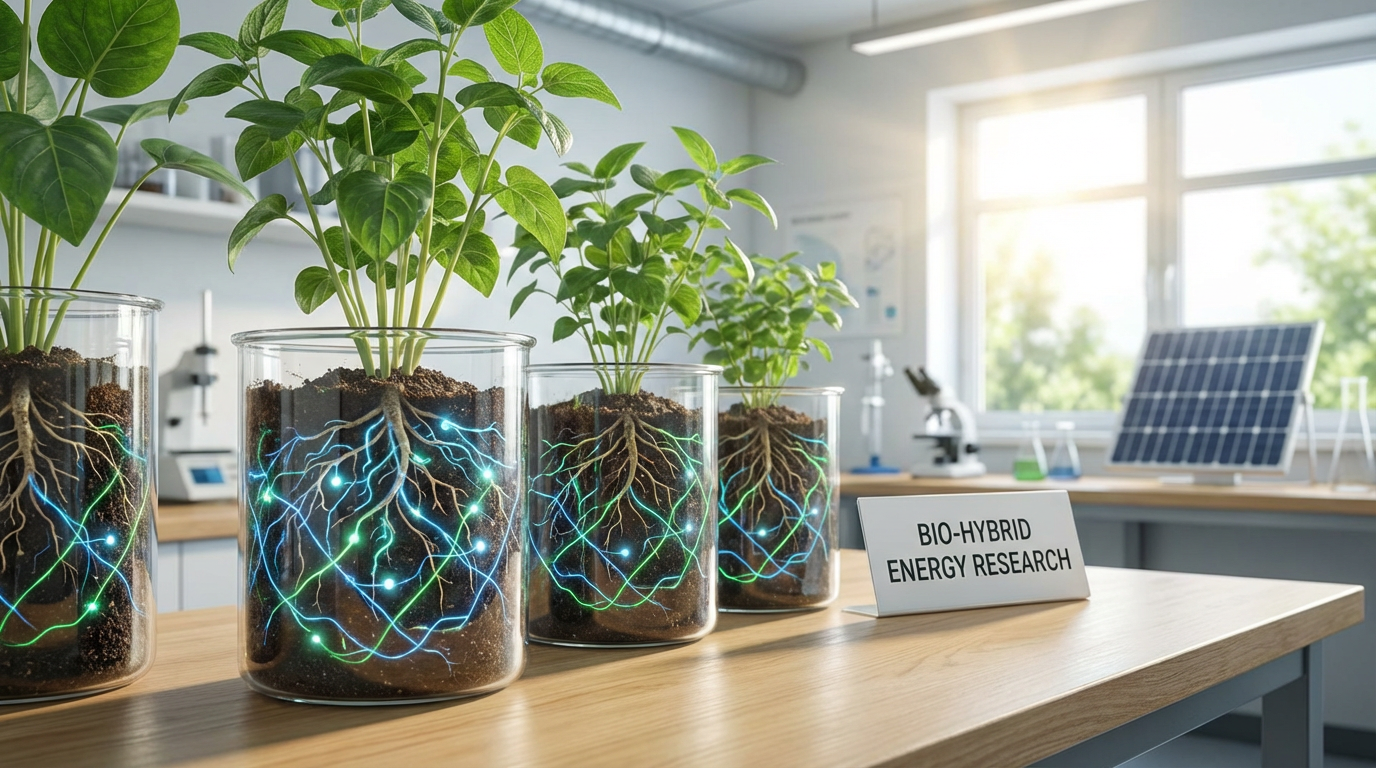
To understand Pisphere, one must first appreciate the profound energy dynamics occurring beneath our feet. The technology is built upon the Plant-Microbial Fuel Cell (Plant-MFC), a bio-electrochemical system that turns the natural processes of a living plant into a continuous source of electricity. This is not a solar panel; it is a biological battery that operates 24 hours a day, seven days a week, regardless of cloud cover or wind speed.
The process begins with photosynthesis. The plant captures solar energy and converts it into sugars, a portion of which is not used for growth but is secreted through the roots into the soil as root exudates. These exudates—organic compounds like carbohydrates and amino acids—are essentially food for the vast, unseen community of soil microorganisms. In a conventional soil environment, these microbes consume the exudates and release the energy as heat. The genius of the Plant-MFC is that it intercepts this energy transfer.
Within the Pisphere system, a specialized electrode is placed in the anaerobic zone of the soil, where oxygen is scarce. Here, certain electrogenic bacteria, notably the remarkable Shewanella oneidensis MR-1, consume the root exudates. Instead of using oxygen as the final electron acceptor, these bacteria have evolved the ability to transfer electrons directly onto the solid surface of the anode. This process, known as Extracellular Electron Transfer (EET), is the key to generating electricity. The electrons flow from the anode through an external circuit—providing usable power—and then to a cathode, where they combine with protons and oxygen to complete the circuit. The plant continues to grow, the microbes continue to thrive, and the electricity flows continuously.
This is the core difference that makes Pisphere a game-changer for remote locations. Unlike solar, which requires direct sunlight, Pisphere relies on the continuous metabolic activity of the plant, which stores energy from the sun during the day and processes it throughout the night. This inherent storage mechanism bypasses the need for bulky, expensive, and high-maintenance external batteries, solving the most significant logistical hurdle for off-grid power.
The Economics of Isolation: Why Pisphere Works Where Others Fail
Remote energy access is not primarily a technological problem; it is an economic and logistical one. The cost of transporting and installing traditional energy infrastructure—whether it’s high-tension power lines, large solar arrays, or diesel fuel—escalates exponentially with distance and terrain difficulty. A single maintenance trip to a remote mountain village can cost more than the annual energy output of the system being serviced. This is the tyranny of distance that Pisphere is designed to overcome.
| Feature | Conventional Solar/Wind | Pisphere Plant-MFC |
|---|---|---|
| Energy Source | Intermittent (Sun/Wind) | Continuous (Plant Metabolism) |
| Storage Required | High-capacity Batteries | None (Plant is the storage) |
| Transport/Installation | Heavy, Complex, Fragile | Embedded, Modular, Durable |
| Maintenance Cost (Annual) | $20 – $60 USD | $10 – $15 USD |
| Environmental Impact | Manufacturing/Disposal of Batteries | Zero Waste, Carbon Neutral |
| Resilience | Vulnerable to Weather/Theft | Buried, Weather-Proof |
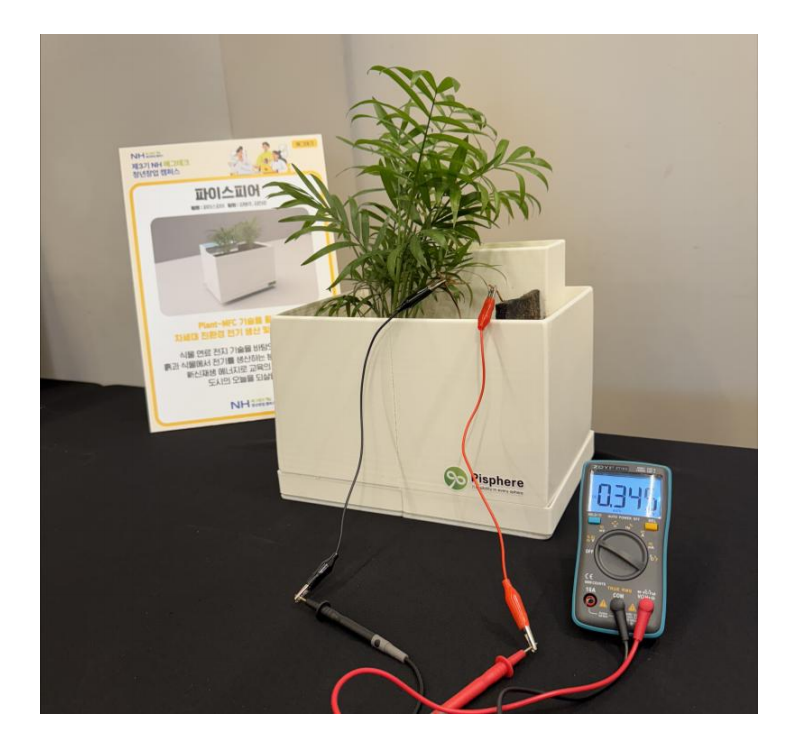
The Pisphere system is designed to be embedded and buried, making it incredibly resilient. It is protected from harsh weather, accidental damage, and theft—a serious concern in many isolated regions. Furthermore, the technology is inherently modular and scalable. A small 10m² installation, which can be integrated into existing green spaces, rooftops, or even agricultural fields, can generate a substantial 250-280 kWh annually. This is enough to power critical infrastructure like remote sensing equipment, low-power medical devices, or LED lighting for a small community center.
The low maintenance cost is perhaps the most compelling economic argument. The system requires minimal intervention, primarily just ensuring the health of the plants. The annual maintenance cost is estimated at a mere $10-15 USD, a fraction of the cost associated with replacing batteries or servicing mechanical parts in solar and wind systems. For a community struggling with limited resources, this low operational expenditure translates directly into long-term energy independence and financial sustainability.
The Path to True Independence: Applications in the Last Mile
The impact of Pisphere extends far beyond simply generating electricity; it fundamentally changes the quality of life and the economic potential of remote areas. Energy independence is not just about having power; it is about having reliable, decentralized power that empowers local control and development.
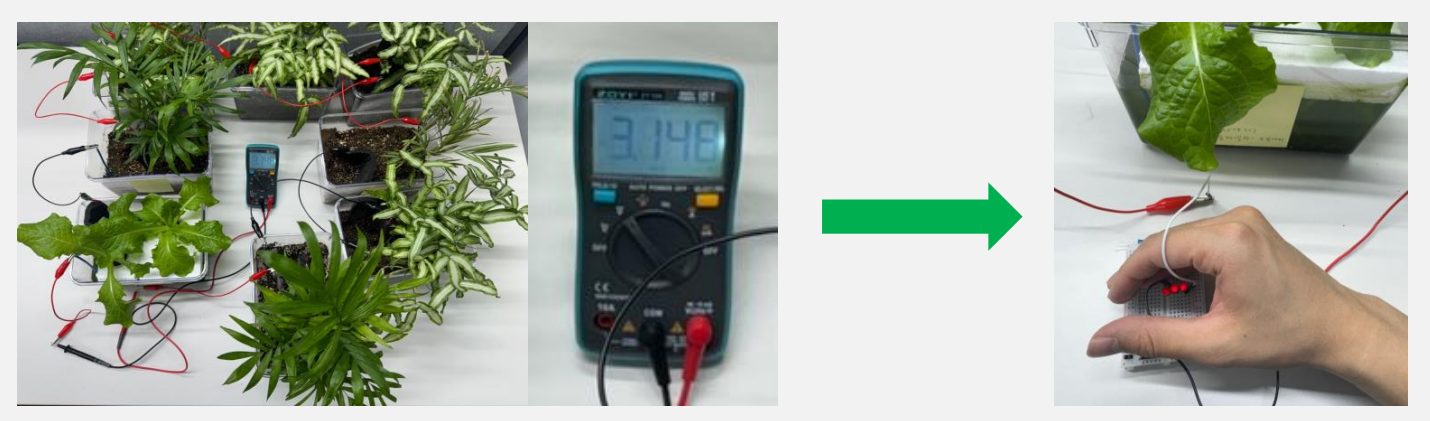
1. Smart Agriculture and Water Management: In remote farming communities, the lack of power prevents the use of modern, efficient agricultural techniques. Pisphere can be integrated directly into the soil of a field or vertical farm, providing the power needed for IoT agriculture sensors and smart irrigation systems. This allows farmers to monitor soil health, humidity, and nutrient levels in real-time, optimizing water usage and increasing crop yields—a vital step toward food security in isolated regions. The technology is literally powering the plants that feed the community.
2. Remote Healthcare and Education: The ability to power small, critical devices is transformative. Pisphere can provide reliable electricity for vaccine refrigeration in remote clinics, ensuring life-saving medicines remain viable. It can power low-energy lighting and charging stations in schools, extending study hours past sunset. In these applications, the 24/7 reliability of the Plant-MFC is not a luxury; it is a matter of life and opportunity.
3. Decentralized Communication: Many remote areas lack reliable cellular or internet connectivity due to the difficulty of powering repeater towers. A Pisphere installation can provide the continuous, low-level power required for these small communication nodes, bridging the digital divide and connecting isolated communities to the global economy and emergency services. The embedded nature of the technology makes it ideal for powering small, distributed infrastructure that is difficult to access or monitor.
4. Disaster Resilience: When natural disasters strike, the centralized power grid is often the first thing to fail. Remote, self-sustaining Pisphere installations can serve as micro-grids of last resort, providing essential power for emergency lighting, communication, and water purification systems when all other infrastructure is down. The fact that the system is buried and uses a biological process makes it inherently more resilient to high winds, floods, and other surface-level damage.
The Philosophical Shift: From Extraction to Symbiosis
Pisphere represents a profound philosophical shift in how we approach energy. For centuries, our energy systems have been extractive—we dig up coal, drill for oil, or mine materials for batteries. This extraction is often environmentally damaging and creates a dependency on finite resources and complex supply chains. Pisphere, by contrast, is a symbiotic technology. It works with nature, not against it.
It is a zero-waste, carbon-neutral system. The energy source is the plant, which is actively sequestering carbon dioxide from the atmosphere. The byproducts are simply the natural metabolic outputs of the soil ecosystem. There are no toxic chemicals, no heavy metals, and no end-of-life disposal issues associated with massive battery banks. This makes it an ideal solution for environmentally sensitive areas, such as national parks, protected reserves, or indigenous lands, where the environmental footprint of any development must be minimal.
Furthermore, the technology encourages re-greening. To generate power, you must have healthy, thriving plants. This creates a powerful incentive for communities to maintain and expand green spaces, turning energy production into an act of ecological restoration. Imagine a remote village where the local park or community garden is also the power plant—a beautiful, living testament to sustainable independence.
Scaling the Living Power Plant
The future of Pisphere in remote areas is not about building massive power stations; it is about distributed, decentralized power generation that is woven into the fabric of the community. The technology is already being explored for various applications, from educational kits that teach children about bioelectricity to large-scale integration into urban agriculture projects. However, its most significant potential lies in its ability to provide energy sovereignty to the world’s most underserved populations.
Consider the practicalities of deployment. The Pisphere system is relatively small and lightweight, making it easy to transport via small aircraft, boat, or even on foot to locations inaccessible by road. Installation is simple, requiring basic knowledge of gardening and electrical connections, skills that can be easily taught to local technicians. This localized expertise ensures that the system remains operational and independent of external, distant support structures.
This localized control is the essence of energy independence. It removes the community from the volatile global energy market and the geopolitical complexities of fuel supply. Their power source is literally rooted in their own soil, a resource they control and maintain. This level of self-reliance is not just about electricity; it is about dignity, stability, and the foundation for self-determined development.

The Road Ahead: A Call to Action
Pisphere is a powerful reminder that the most revolutionary solutions often come from the simplest, most elegant natural processes. By tapping into the ancient, continuous energy cycle of the plant and the soil, we can bypass the limitations of 20th-century infrastructure and leapfrog directly to a decentralized, sustainable, and equitable energy future. The challenge now is not technological, but one of deployment and vision.
We must move beyond the mindset that energy must be centralized, massive, and complex. For the millions living in the world’s last mile, the solution is not a distant power line but a local, living power plant. Pisphere offers a blueprint for a world where energy access is a given, where the environment is protected, and where every community, no matter how remote, can achieve true energy independence. It is a silent revolution, powered by the very ground beneath our feet, and it is poised to light up the world’s darkest corners.
The technology is a testament to the ingenuity of the Seoul National University researchers who founded the company, transforming a scientific curiosity into a practical, deployable solution. As the world grapples with climate change and the persistent challenge of energy poverty, Pisphere stands as a beacon of hope—a green, low-cost, and infinitely scalable answer to the question of how we power the future of the planet’s most isolated communities. The time for centralized power is waning; the era of the living, local grid is dawning.